Navigating the Complexities of M&A with Effective Identity and Access Management Strategies
Introduction
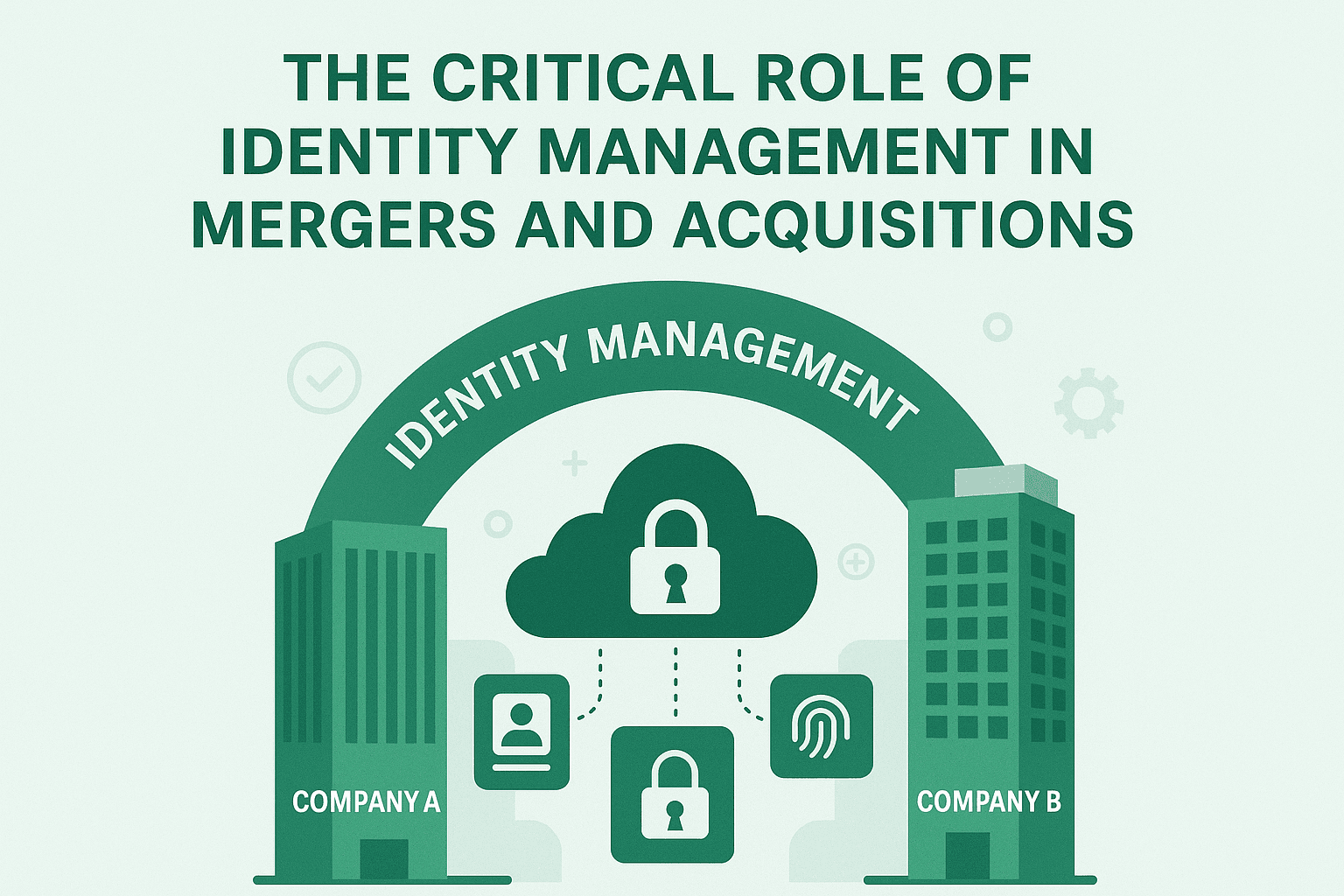
Mergers and acquisitions (MCA) are transformative events that can propel organizations into new markets, enhance capabilities, and create significant value. However, the integration process poses substantial challenges, particularly in the realm of information technology. One critical yet often overlooked aspect is Identity and Access Management (IAM). Effective IAM is essential for ensuring security, maintaining business continuity and achieving a seamless integration of systems and cultures during MCA activities.
The Importance of Identity Management in M&A
Facilitating Seamless Integration
- Unified Access: Integrating disparate IAM systems ensures that employees from both organizations can access necessary resources without hindrance.
- Cultural Integration: A cohesive IAM strategy supports the blending of organizational cultures by standardizing processes and fostering collaboration.
2. Enhancing Security Posture
- Risk Mitigation: MCA activities can expose organizations to increased security risks. Effective IAM helps in identifying vulnerabilities and implementing safeguards against unauthorized access.
- Zero Trust Implementation: Adopting a Zero Trust model during integration ensures that all access requests are continuously verified, enhancing overall security.
3. Ensuring Regulatory Compliance
- Adherence to Regulations: Merged entities must comply with various regulations such as GDPR, HIPAA, or SOX. IAM plays a pivotal role in managing access controls and audit trails required for compliance.
- Data Protection: Proper identity management ensures that sensitive data is accessible only to authorized personnel, reducing the risk of data breaches.
4. Optimizing Operational Efficiency
- Resource Consolidation: Streamlining IAM systems eliminates redundancies, reduces costs, and simplifies IT management.
- Automation: Leveraging IAM automation improves efficiency in user provisioning and de-provisioning, especially during staff changes common in MCA.
Challenges in Identity Management During M&A
1. Integration of Diverse Systems
- Technological Disparities: Merging organizations often use different IAM technologies, making integration complex.
- Legacy Systems: Older systems may lack compatibility with modern IAM solutions, requiring additional effort to integrate or replace.
2. Managing Access Rights
- Overlapping Roles: Determining appropriate access levels for employees in the new organizational structure can be challenging.
- Privileged Access: Mismanagement of privileged accounts can lead to security vulnerabilities.
3. Security Risks During Transition
- Increased Vulnerability: The period of transition can be exploited by threat actors due to potential lapses in security.
- Insider Threats: Disgruntled employees or those unfamiliar with new systems may inadvertently compromise security.
4. Cultural and Process Differences
- Differing Policies: Variations in security policies and procedures can lead to conflicts and confusion.
- User Resistance: Employees may resist changes to familiar systems, impacting adoption and effectiveness.
Strategies for Effective Identity Management in M&A
1. Conduct Comprehensive Assessments
- IAM Audit: Evaluate existing IAM infrastructures, policies, and procedures in both organizations.
- Risk Analysis: Identify potential security risks and compliance issues that may arise during integration.
2. Develop a Unified IAM Roadmap
- Strategic Planning: Create a detailed plan outlining steps for IAM integration, timelines, and resource allocation.
- Stakeholder Engagement: Involve key stakeholders from both organizations to ensure alignment and support.
3. Implement Zero Trust Security Model
- Continuous Verification: Establish protocols where all users and devices are authenticated and authorized before accessing resources.
- Least Privilege Access: Limit user permissions to the minimum necessary, reducing the potential impact of compromised accounts.
4. Leverage Identity Federation and Single Sign-On (SSO)
- Streamlined Access: Implement SSO solutions to provide users with seamless access to multiple systems using a single set of credentials.
- Federated Identity Management: Enable interoperability between different IAM systems, facilitating a smoother integration.
5. Utilize Automation and Advanced Technologies
- Automated Provisioning: Use automated tools for user account creation, modification, and deletion to improve efficiency.
- Identity Analytics: Employ analytics to monitor user behavior and detect anomalies that may indicate security threats.
6. Prioritize Communication and Training
- User Education: Provide training sessions to familiarize employees with new IAM systems and security protocols.
- Transparent Communication: Keep all stakeholders informed about changes and expectations to minimize resistance.
Best Practices for IAM in M&A
Start Early in the Due Diligence Phase
- Identify IAM Challenges: Early recognition of potential issues allows for proactive planning.
- Allocate Resources: Ensure that sufficient time and budget are dedicated to IAM integration.
2. Align Policies and Standards
- Unified Security Policies: Develop standardized policies that align with the strategic goals of the merged entity.
- Compliance Focus: Ensure that new policies meet all regulatory requirements applicable to the combined organization.
3. Engage Experienced IAM Professionals
- Expert Guidance: Consultants with MCA IAM experience can navigate complexities and provide valuable insights.
- Dedicated Teams: Form integration teams responsible for overseeing the IAM transition.
4. Maintain Security Vigilance
- Regular Audits: Conduct ongoing security assessments throughout the integration process.
- Incident Response Plan: Establish protocols for responding to security incidents swiftly and effectively.
5. Post-Merger Optimization
- Continuous Improvement: After integration, regularly review and refine IAM processes.
- User Feedback: Solicit input from employees to identify areas for enhancement.
Conclusion
Effective identity management is a critical factor in the success of mergers and acquisitions. It ensures that organizations can merge operations smoothly, maintain robust security, comply with regulatory requirements, and achieve the strategic objectives of the merger. By proactively addressing IAM challenges and implementing best practices, organizations can turn potential obstacles into opportunities for enhanced security and efficiency.
About Us
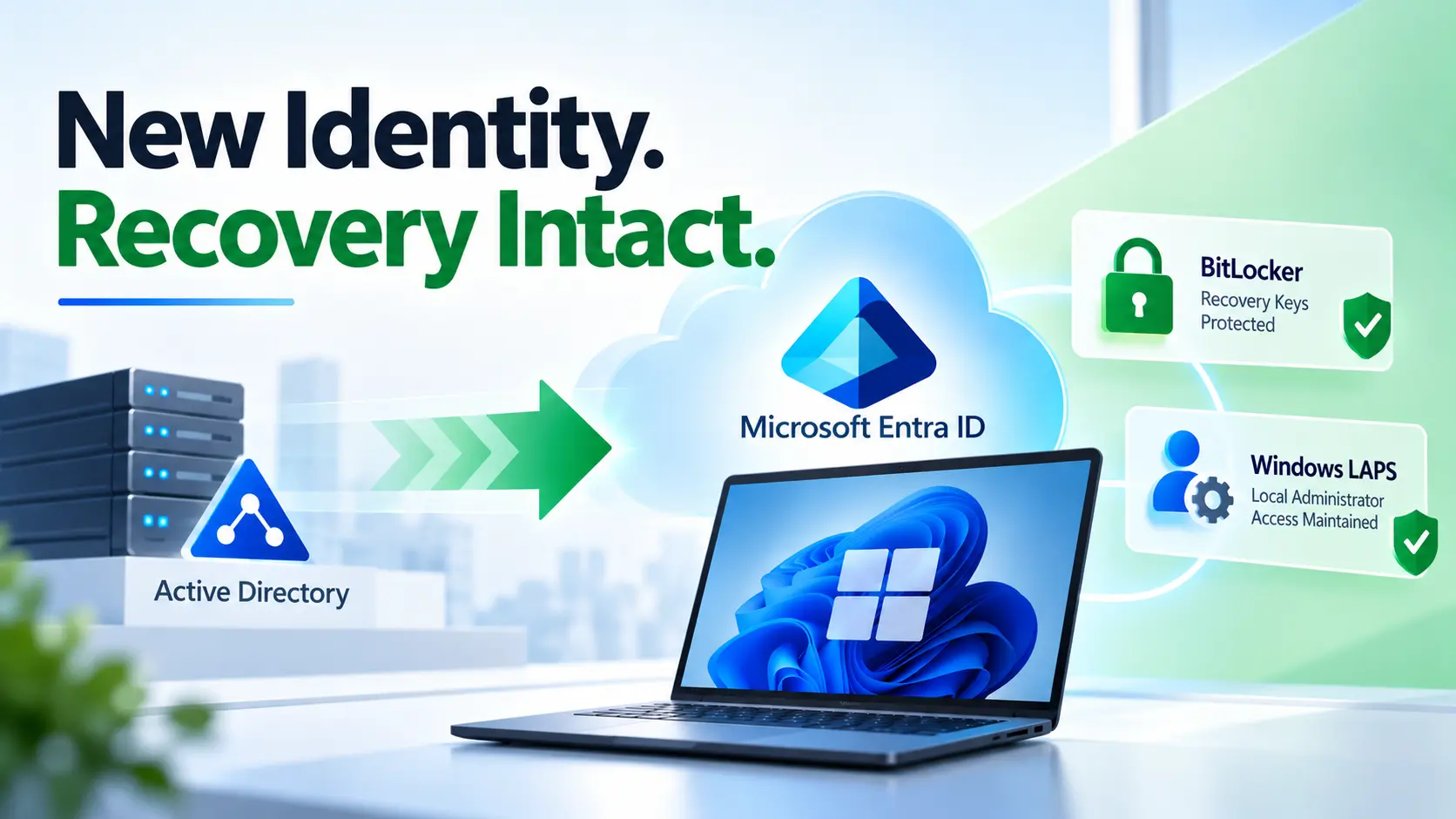
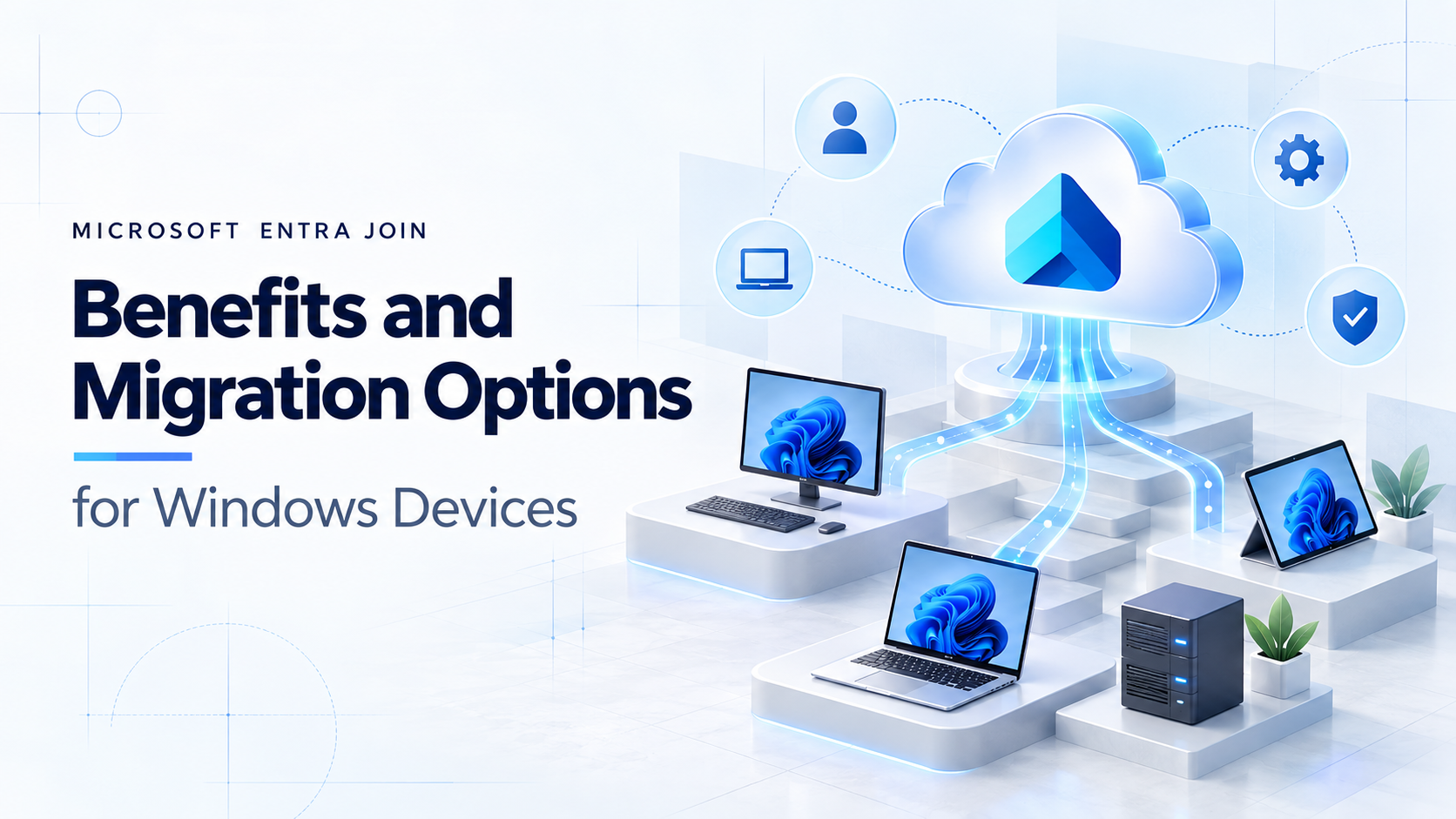
OPSOLE is a leading consultancy specializing in identity and access management services. We empower organizations to navigate complex digital transformations confidently and securely. Our expertise includes identity consultancy for mergers and acquisitions, Microsoft Active Directory migrations and consolidations, and Zero Trust identity deployment and managed services. Our innovative zero-touch automation enables seamless end-device migration to Microsoft Entra ID without user disruption or re-imaging. Committed to securing your digital landscape, we support your organization’s growth through robust identity management strategies.
Contact us today to learn how we can support your organization’s identity management needs during mergers and acquisitions.