Why Zero Trust Identity Matters Today
In today’s cloud-first and hybrid work environments, the traditional perimeter-based security model is no longer effective. With remote work, SaaS applications, mobile access, and increasing cyber threats, businesses need a more resilient approach to identity and access management.
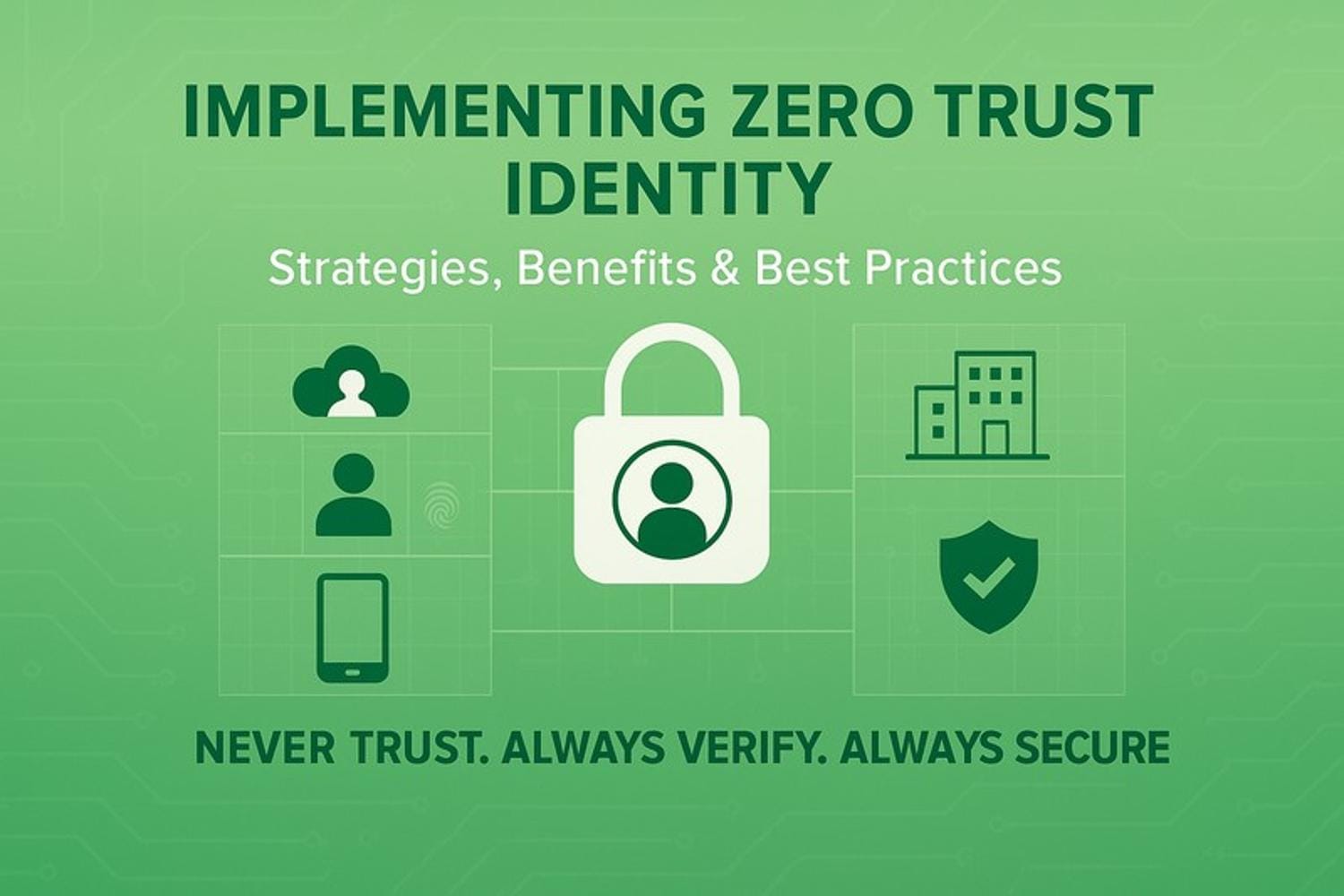
Enter Zero Trust Identity-a core pillar of the Zero Trust security model, which operates on the principle of “never trust, always verify.” This blog explores key strategies for implementing Zero Trust Identity, its major benefits, challenges, and best practices for successful adoption.
What is Zero Trust Identity?
Zero Trust Identity is a security framework that ensures all users-internal or external-are authenticated, authorized, and continuously validated before accessing systems, applications, or data.
Core Principles of Zero Trust Identity:
– Verify Explicitly: Always authenticate using multiple contextual signals: identity, device health, location, risk level, and data sensitivity.
– Enforce Least Privilege Access: Provide users only the access they need-no more, no less-using Just-in-Time (JIT) and Just-Enough Access (JEA) policies.
– Assume Breach: Treat every access attempt as potentially compromised. Limit lateral movement through micro-segmentation and real-time monitoring.
7 Proven Strategies to Implement Zero Trust Identity
1. Strengthen Authentication
– Use Multi-Factor Authentication (MFA)
– Adopt Passwordless Login
2. Deploy Conditional Access Policies
– Contextual Access Control
– Adaptive Authentication
3. Apply Least Privilege Access
– Role-Based Access Control (RBAC)
– Just-In-Time Access
4. Enhance Identity Governance
– Automated User Lifecycle Management
– Scheduled Access Reviews
5. Secure Devices and Endpoints
– Device Compliance Checks
– Implement Endpoint Detection and Response (EDR)
6. Monitor User Behavior Continuously
– User & Entity Behavior Analytics (UEBA)
– Security Information and Event Management (SIEM)
7. Protect Sensitive Data
– Data Classification
– Data Encryption
Benefits of Implementing Zero Trust Identity
- Stronger Security Posture
- Improved Regulatory Compliance
- Better User Experience
- Support for Remote Work & Scalability
- Operational Efficiency & Cost Savings
Challenges and Mitigation Strategies
Implementation Complexity
• Challenge:
Transitioning to a Zero Trust model requires significant changes to existing infrastructure and processes.
• Mitigation:
Start with a phased approach, focusing on critical assets and high-risk areas first. Leverage existing technologies and integrate new solutions gradually.
Cultural Resistance
• Challenge:
Employees may resist changes, especially if new security measures introduce additional steps or seem intrusive.
• Mitigation:
Educate users about the importance of Zero Trust security, highlighting how it protects both the organization and their personal data. Provide training and support during the
transition.
Integration with Legacy Systems
• Challenge:
Older systems may not support modern authentication methods or security protocols.
• Mitigation:
Use identity federation and secure proxies to extend Zero Trust principles to legacy applications, or plan for phased upgrades where feasible.
Best Practices for a Successful Zero Trust Identity Rollout
1. Develop a Clear Roadmap
2. Get Executive Buy-In
3. Involve All Stakeholders
4. Prioritize User Experience
5. Continuously Monitor and Improve
Conclusion
Adopting Zero Trust Identity is no longer optional-it’s a strategic necessity. By shifting from implicit trust to
continuous verification and least privilege access, organizations can safeguard their data, support a hybrid
workforce, and achieve long-term compliance and cost-efficiency.
About Opsole Identity Solutions
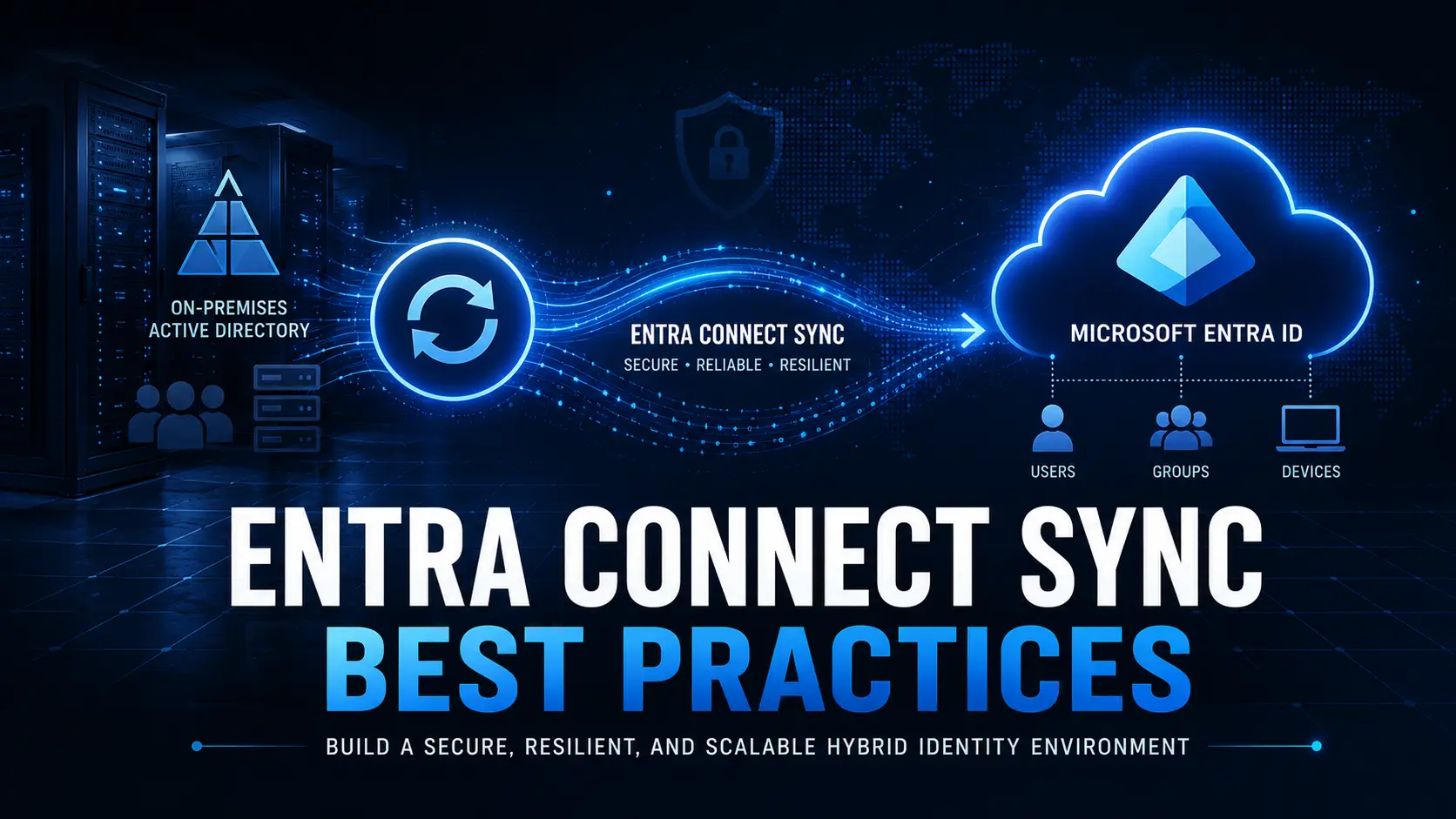
At Opsole, we specialize in Zero Trust Identity implementation, Active Directory migrations, and automated
device onboarding to Microsoft Entra ID-with zero user disruption.
Ready to strengthen your organization's identity security? Contact Us Today and begin your Zero Trust journey with confidence.