Device migration has traditionally been one of the most resource-intensive initiatives for IT organizations. Whether driven by cloud adoption, security modernization, or corporate restructuring, migrations often introduced operational strain and user disruption.
But expectations have changed.
Today’s enterprises demand migration strategies that prioritize speed, security, and employee continuity simultaneously.
The Traditional Problem
Legacy migration methods typically required rebuilding endpoints a process that created cascading challenges:
- Extended deployment timelines
- Increased support tickets
- Higher operational costs
- Temporary productivity loss
For organizations managing thousands of endpoints, even small inefficiencies scaled into major business risks.
The Modern Migration Approach
Platforms such as Opsole Migrate are helping redefine enterprise migration by removing the need for device reimaging while preserving user environments.
Organizations can now:
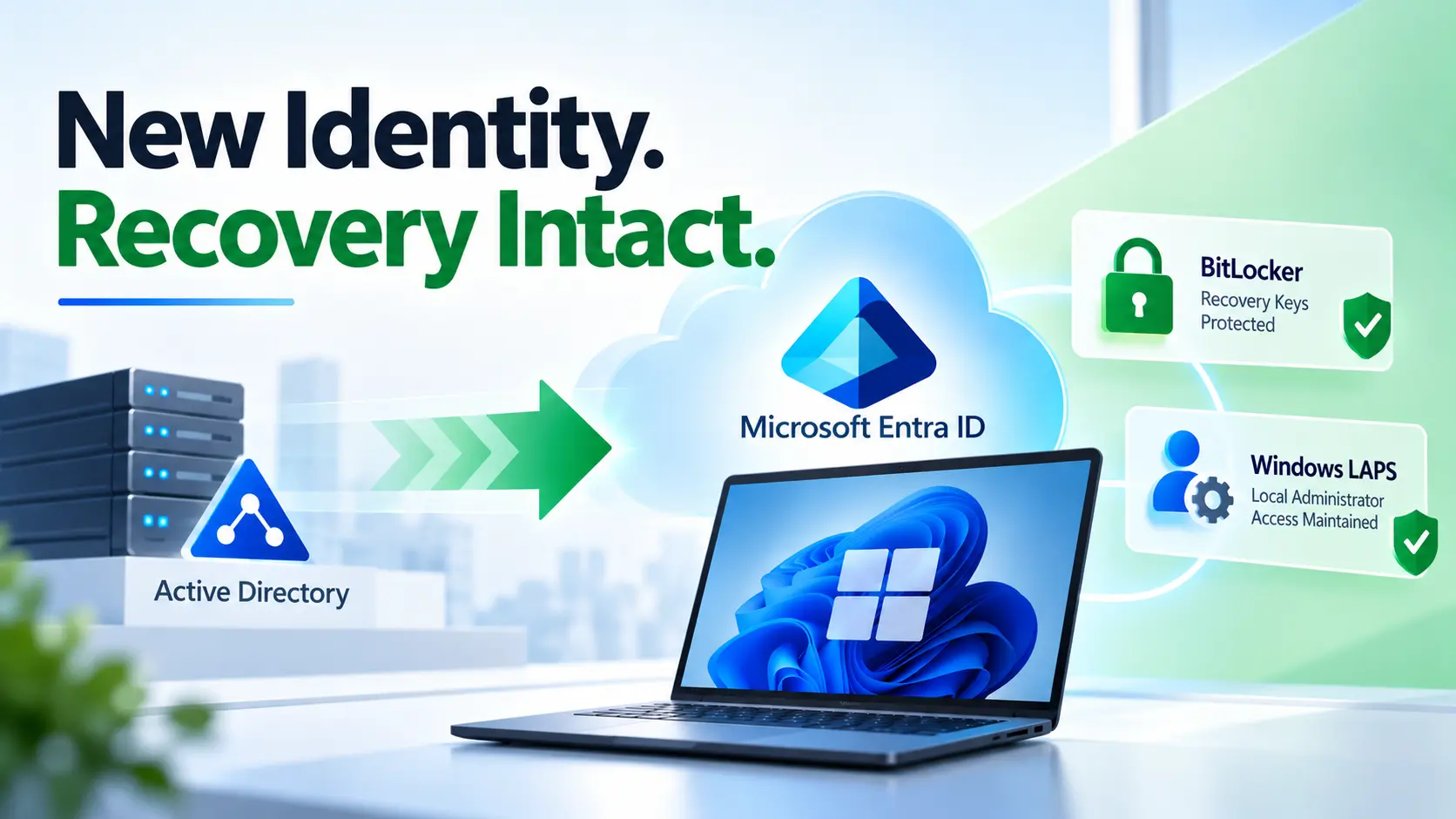
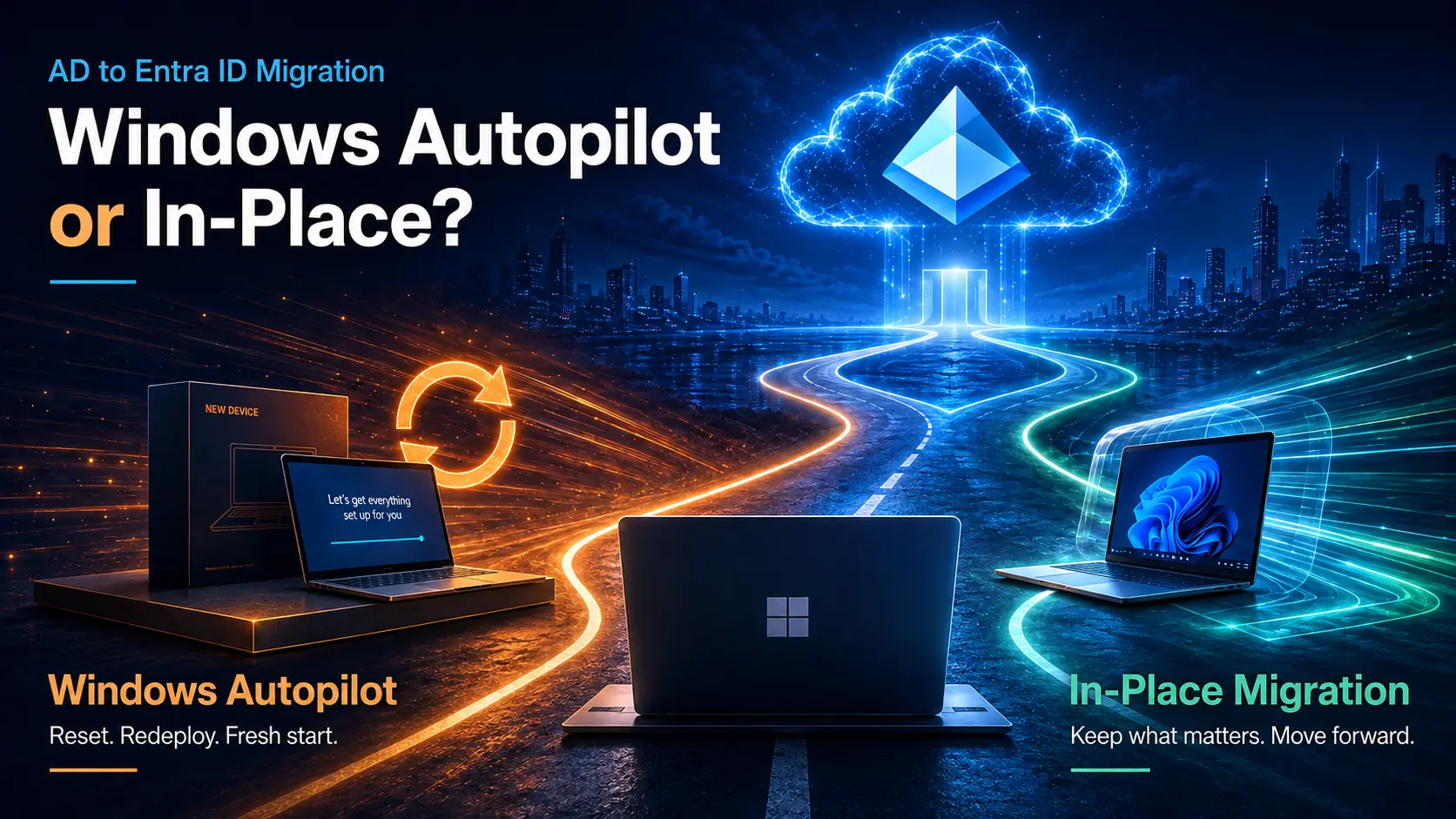
- Transition from Active Directory to Microsoft Entra ID
- Convert hybrid identities into fully cloud-native devices
- Execute cross-tenant migrations during mergers or divestitures
- Maintain BitLocker encryption
- Preserve user profiles, applications, and configurations
The result is a migration experience that feels operationally controlled rather than disruptive.
Use Case: Accelerating Post-Acquisition Integration
Following a strategic acquisition, one enterprise needed to board over 1,000 devices into their tenant rapidly.
Rebuilding endpoints would have delayed collaboration and slowed business integration.
Instead, a seamless tenant-to-tenant migration allowed employees to continue working immediately dramatically shortening the time required to unify the organization.
Migration became a strategic accelerator rather than an operational bottleneck.
Why Decision Makers Should Pay Attention
Modern migration is not just an infrastructure upgrade it is a business enabler.
Key outcomes organizations report include:
- Reduced helpdesk dependency
- Faster transformation timelines
- Lower infrastructure overhead
- Improved employee experience
- Stronger security alignment
As cloud adoption continues to accelerate, the ability to modernize endpoints without disruption is quickly becoming a competitive differentiator.